
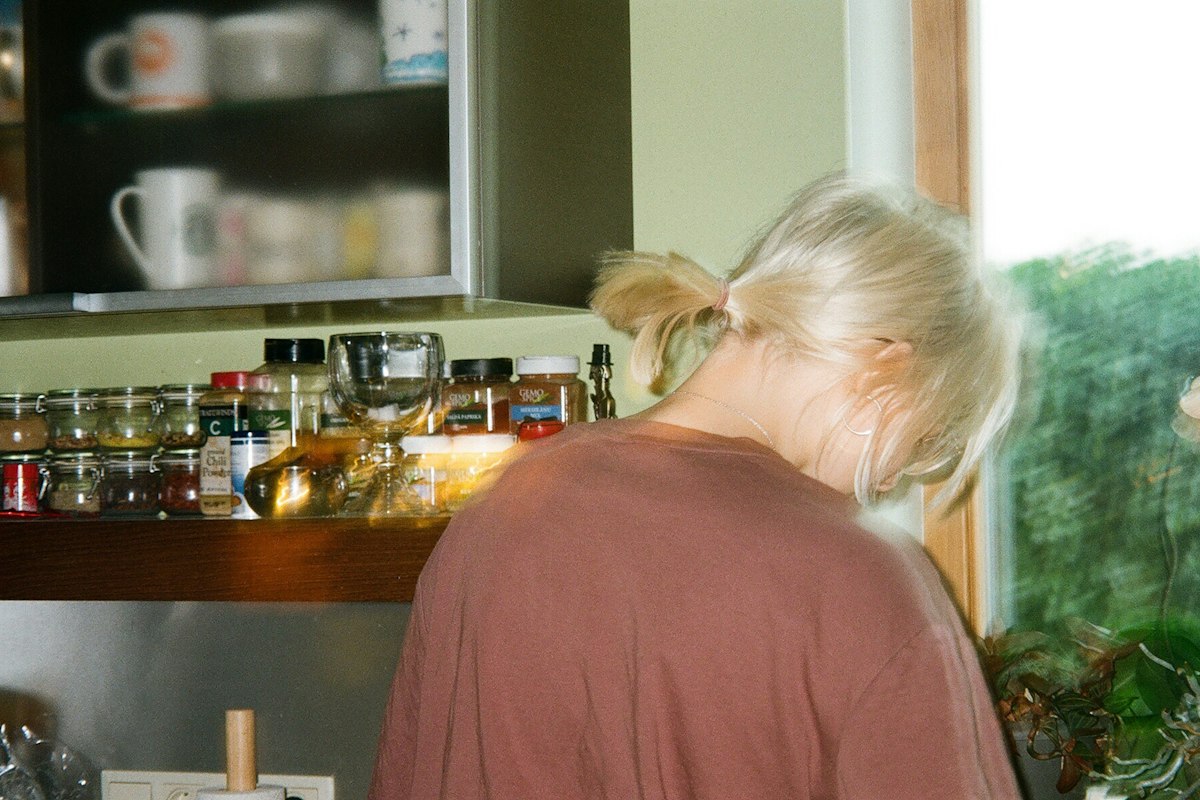
It is 8 pm. Dinner was hours ago, the kids are finally in bed, and you find yourself standing at the pantry.
You are not really hungry. You just want something. A few biscuits turn into half a packet, and then the guilt arrives.
If this is a regular part of your evenings, you are far from alone. For people who feel stuck in this pattern, Perth practice Awaken Hypnotherapy offers hypnotherapy sessions that look at the emotional triggers behind overeating, as part of its weight loss program.
This post looks at why stress eating happens, and some gentle ways to ease it without turning food into the enemy.
Physical hunger and emotional hunger feel different
Physical hunger usually builds slowly. Your stomach rumbles, your energy dips, and almost any decent meal will do.
Emotional hunger tends to arrive suddenly. It often wants something specific, usually sweet, salty or crunchy. It can keep going even after you are full.
Learning to notice which one you are feeling is a useful skill. It won’t stop every snack, and it doesn’t need to. It just gives you a moment to choose.
Why we reach for food when we’re stressed
Food is comforting. That is not a flaw in you. Most of us learned very young that a treat could make a bad moment feel better.
Over time, eating can become the go-to response to all sorts of feelings. Boredom, loneliness, tiredness, anxiety and frustration can all end at the fridge. The habit runs on autopilot, which is why willpower alone often struggles to change it.
Evenings are a common danger zone. You have held it together all day. When the pressure drops, the body looks for a quick reward, and food is close by.
The cost of the guilt cycle
The eating itself is only part of the problem. The bigger issue for many women is what comes after.
Guilt and self-criticism make you feel worse. Feeling worse makes you want comfort. And the easiest comfort is often more food.
Strict diets can feed the same loop. Cutting out favourite foods entirely tends to make them more tempting, and one slip can feel like total failure. Being kinder to yourself is often more useful than another set of rules.
Gentle changes that can help
You don’t need a perfect plan. Small, steady changes are easier to keep up and kinder on your budget, too.
Eat regular meals. Skipping lunch or running on coffee all day makes evening cravings much stronger. The Australian Government’s Eat for Health site has plain guidance on the kinds of foods and amounts that support good health.
Pause before you eat. When you feel the pull of the pantry, stop for a minute and ask what you actually need. Sometimes it is food. Often it is rest, a chat or a break.
Have a few non-food comforts ready. A hot shower, a cup of tea, a walk around the block or a phone call with a friend can all take the edge off a hard day.
Make the easy choice the good one. If biscuits sit at eye level, you will reach for them. Put fruit, yoghurt or a handful of nuts where you’ll see them first instead.
Eat sitting down, without a screen. Eating while scrolling or watching TV makes it easy to lose track of how much you’ve had.
Notice your own patterns
A simple diary for a week or two can be eye-opening. You don’t need to count anything.
- Write down when the urge to snack hits
- Note what you were doing and how you felt just before
- Record whether you were physically hungry
- Jot down what helped, if anything did
Patterns usually show up quickly. You might find the urge always hits after a certain phone call, or when you are overtired. Once you can see the trigger, it is easier to plan around it.
Look after sleep and stress
Tiredness and stress both make cravings harder to resist. A short night can leave you reaching for quick energy all the next day.
Protecting your sleep, moving your body in ways you enjoy and building a few calm moments into the day all help. None of it is dramatic. It adds up, though.
Think about the hour after you get home, too. Many people go straight from a busy day into cooking, cleaning and getting everyone sorted. A ten-minute pause first, even just sitting outside with a drink of water, can take some of the pressure out of the evening.
Plan for the hard evenings
Some nights are always going to be tougher than others. A late finish, a sick child or a tense phone call can all leave you running on empty.
On those nights, aim for good enough. A simple dinner, an early night and a bit of kindness to yourself are fine. One evening of extra snacks won’t undo all the small, steady changes you have made.
When you want extra support
Some women do all of this and still feel ruled by food. That can be very frustrating, especially when you know what to do and can’t seem to do it.
A good first step is a chat with your GP. They can check for health factors and refer you to a dietitian or psychologist if that would help. If your relationship with food is causing you real distress, please speak to a health professional rather than trying to manage it alone.
Some people also look at hypnotherapy. Awaken Hypnotherapy’s weight loss page describes sessions that work on the emotional triggers behind overeating, along with self-sabotaging thoughts and limiting beliefs. It also offers a Virtual Gastric Band program, and notes that hypnotherapy complements healthy lifestyle choices and doesn’t replace a balanced diet or exercise.
Sessions are run by Christine Dinas at her Alfred Cove rooms or online by Zoom, and a free 30-minute consultation is offered. Results vary from person to person, and it is worth going in with an open mind and realistic expectations.
A kinder way forward
Stress eating is a very human response to a busy, demanding life. Treating it as a signal is more useful than treating it as a failure.
Next time you find yourself at the pantry, pause and notice what is going on. Have a glass of water and give yourself a minute. Then decide.
Some nights you will choose the biscuits, and that is fine. Over time, those small pauses add up to a calmer, easier relationship with food.