
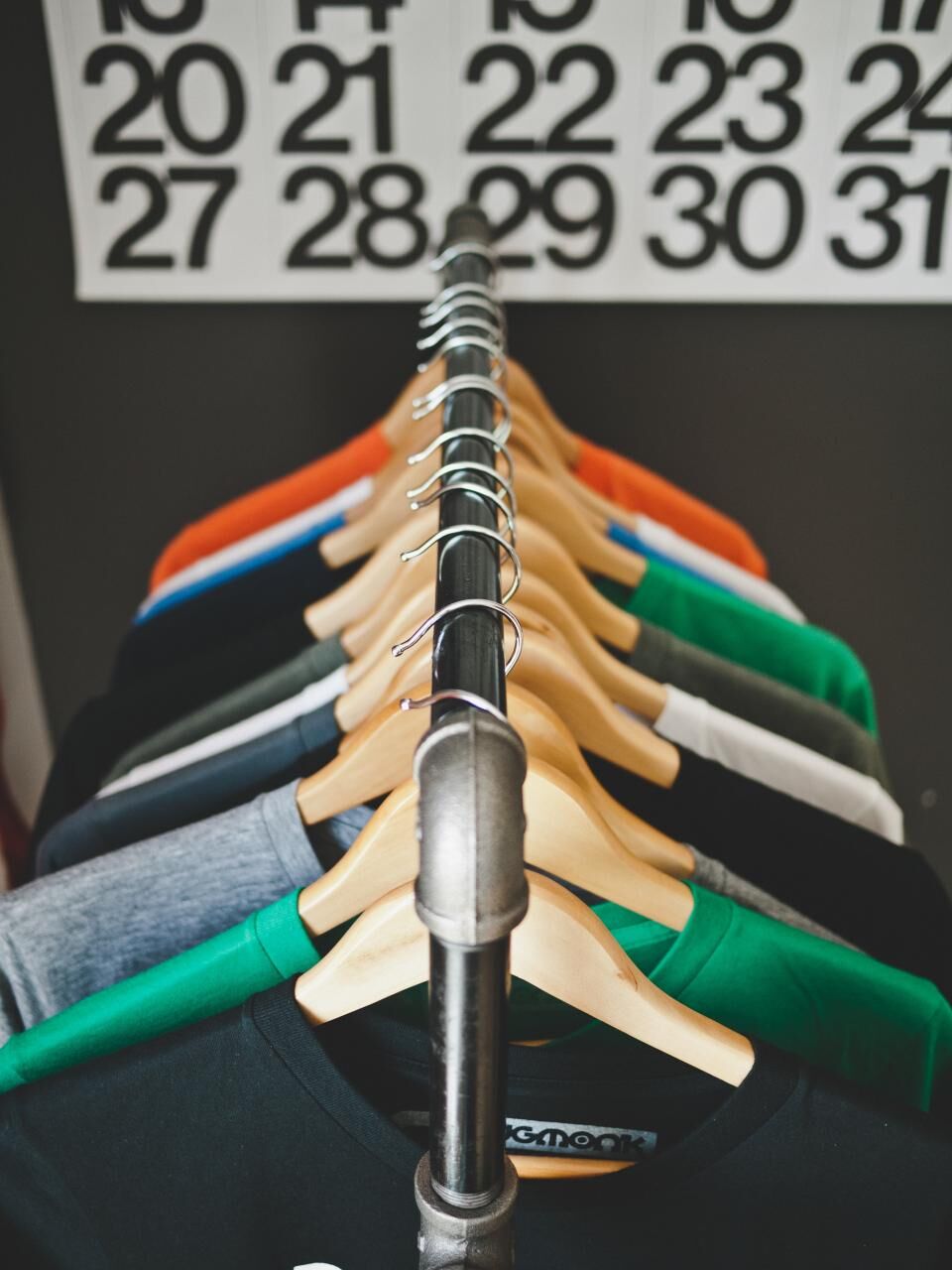
A wardrobe full of clothes can still leave you with nothing to wear. Often the problem is not how much we own, but how long each piece lasts. Clothes that fade, stretch or pill end up at the back of the cupboard. Then they get replaced, and the cycle starts again.
Australians buy a lot of clothing. Sustainability Victoria says Australia is the second biggest textile consumer in the world per person, after the United States. It also says only 7% of textile waste is recycled. The good news is that small habits at home can make your clothes last much longer.
Start with what you already own
The easiest outfit to find is one already hanging in your wardrobe. Before buying anything new, pull everything out and take stock. You may find pieces you forgot about or never wore. Try new combinations before you decide something is missing.
Grouping clothes by type makes gaps easier to see. Put all your tops together, then your pants, skirts and dresses. You might find you own five black tops and no smart trousers. That tells you what to buy next, and what to skip.
Sorting your wardrobe works best when you are honest with yourself. Keep what fits, suits your life and makes you feel good. Set aside what needs repair, then decide what can go to someone else. Moving house is a common time to do this, and our tips on packing your makeup while moving follow the same idea of sorting before you pack.
Read the care label before you wash
Most new clothes sold in Australia must carry a care label. The Australian Government guide to care labelling says these labels describe the correct way to care for your clothes so they are not damaged. Following them helps clothes last longer and stops problems like dye running. The label can use written instructions, the international care symbols or both.
There are five main symbols to learn. Each one covers a different part of garment care. Once you know them, a quick glance tells you most of what you need. Here is what each symbol covers:
- a washtub shows the washing method and the highest water temperature
- a triangle shows whether bleach can be used
- a square covers drying, such as tumble drying, line drying or drying flat
- an iron shows the safe ironing heat or that a piece should not be ironed
- a circle covers professional cleaning, such as dry cleaning
The label is worth reading in the shop too. A piece marked dry clean only will cost money every time it is cleaned. That may not suit a top you plan to wear every week. Checking the label first helps you buy clothes that fit your routine.
Keep in mind that used clothing is not covered by the care labelling standard. Preloved pieces may have lost their labels or have faded ones. If you are unsure, a gentle cool wash is usually the safest place to start. Test anything delicate on a hidden area first.
Washing habits that keep clothes looking new
Many clothes do not need washing after every wear. Jeans, jumpers and jackets can often be aired out and worn again. Washing less means less wear on the fabric. It also saves water and power.
When you do wash, sort by colour and fabric. Turn printed or dark pieces inside out to protect the surface. Close zips and fasten hooks so they do not snag softer items. Use the temperature shown on the label rather than guessing.
Drying matters as much as washing. Some knits keep their shape best when dried flat, and the square symbol will say so. Others fade in strong sun, so a shady spot can help.
Repair and refresh before you replace
A loose button or a fallen hem is not a reason to throw a piece out. Basic mending takes a needle, thread and a few minutes. Sustainability Victoria suggests repairing items that are not in great condition before you donate them. For bigger jobs, a local alterations service can often give a garment years more wear.
Simple refreshes can make tired pieces feel new again. A fabric shaver removes pilling from jumpers. New buttons can change the look of a jacket.
Think twice before you buy
Sustainability Victoria suggests asking if you really need an item before buying it. If it is for one event, you could hire an outfit, borrow from a friend or join a clothes swap. Buying preloved is another option. Each of these keeps clothing in use for longer.
When you do buy new, look for pieces made to last and easy to repair. Check the seams, the weight of the fabric and how the buttons are attached. Sustainability Victoria also suggests looking for ethical accreditation and recycled or environmentally friendly materials. A few well made basics often get more wear than a pile of trend pieces.
Special occasion clothing is worth extra thought. Bridesmaid dresses and party outfits are often worn once. Choosing something you could wear again, or hiring instead, keeps costs down. Even a group gift of matching pyjamas, like our ideas for bridal party activities in your pyjamas, can be something everyone wears for years.
Passing clothes on
Once a piece no longer works for you, look for a new home for it. Sustainability Victoria says around 95% of clothes sent to landfill could have been reused or recycled. You can sell good items through online or local marketplaces. You can also give them to friends or family.
If you donate to charity, only give items that are clean and in good condition. Stained, damaged or unwashed clothes create work for charities and may end up in landfill anyway. Some retailers run donation bins that take garments in any condition for recycling. Check your local council website to see what textile recycling options are near you.
Frequently asked questions
Do all clothes have to carry a care label?
Most new clothing sold in Australia must have care instructions under a mandatory standard. Some items are exempt, such as belts, headwear and most footwear. Used clothing is also not covered. If a label is missing on a new item, you can report it to the product safety regulator.
How often should I wash my jeans?
There is no fixed rule for this. Many people wash jeans only when they look or smell like they need it. Airing them out between wears helps. Always follow the temperature and drying advice on the care label.
Can I donate clothes that are a bit worn?
Donate only items that are clean and in good condition. Repair small faults first if you can. Heavily worn or stained clothes are better sent to a textile recycling option. Your local council can tell you what is available nearby.
What does the circle on a care label mean?
The circle covers professional care, such as dry cleaning or wet cleaning. It can also show that an item should not be dry cleaned or wet cleaned. The government guide explains each version of the symbol. Checking it before you buy helps avoid surprise cleaning costs.